From our Get Active session.
Overcoming obstacles to exercise and movement

Feeling exhausted. When you’re tired, depressed, or stressed, it seems that working out will just make you feel worse. But the truth is that physical activity is a powerful energizer. Studies show that regular exercise can dramatically reduce fatigue and increase your energy levels.
If you are really feeling tired, promise yourself a quick, 5-minute walk. Chances are, once you get moving you’ll have more energy and be able to walk for longer.
Feeling overwhelmed. When you’re stressed or depressed, the thought of adding another obligation to your busy daily schedule can seem overwhelming. Working out just doesn’t seem practical. If you have children, finding childcare while you exercise can also be a big hurdle.
However, if you begin thinking of physical activity as a priority (a necessity for your mental well-being), you’ll soon find ways to fit small amounts of exercise into even the busiest schedule.

Feeling bad about yourself.
Are you your own worst critic? It’s time to try a new way of thinking about your body. No matter your weight, age or fitness level, there are plenty of others in the same boat.
Ask a friend to exercise with you. Accomplishing even the smallest fitness goals will help you gain body confidence and improve how you think about yourself.

Feeling pain.
If you have a disability, severe weight problem, arthritis, or any injury or illness that limits your mobility, talk to your doctor about ways to safely exercise. You shouldn’t ignore pain, but rather do what you can, when you can.
Divide your exercise into shorter, more frequent chunks of time if that helps, or try exercising in water to reduce joint or muscle discomfort.
Files:
| HEALTH BENEFITS FROM REGULAR EXERCISE: |
|---|
| Improved sleep |
| Better sex drive |
| Better Endurance |
| Stress Relief |
| Improvement in mood |
| Increased energy and stamina |
| Reduced tiredness that can increase mental alertness |
| Weight reduction |
| Reduced cholesterol and improved cardiovascular fitness |

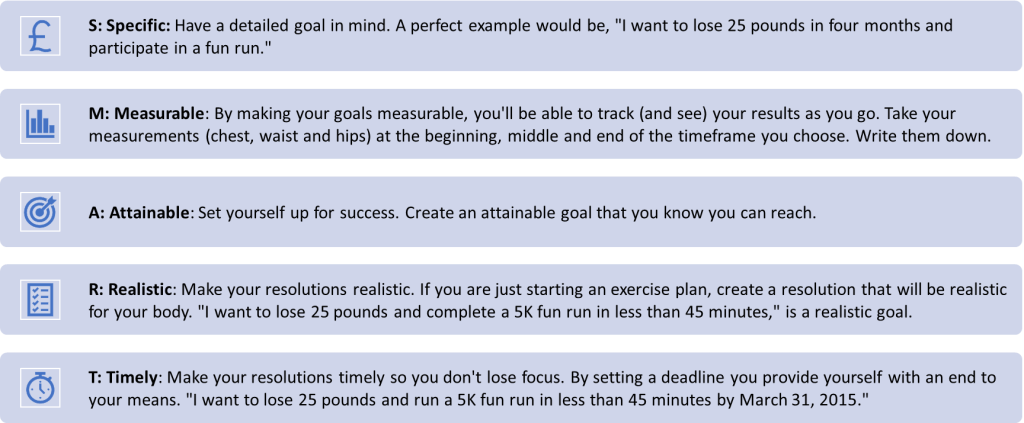
Set a SMART goal
Setting a goal can help you keep your exercise and movement on track. You may already be familiar with using the SMART structure in the workplace.
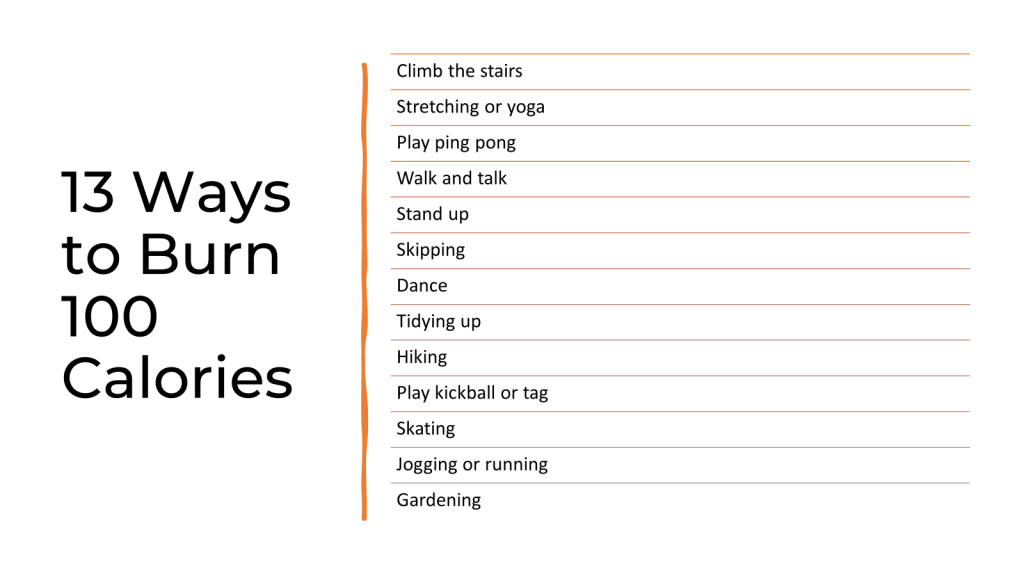
When starting with exercise here are a few thing to consider
- What exercise do you want to do or try?
- Is there a cost involved?
- What is available in the local area?
- Timings and fitting into my schedule?
- What equipment do I need?
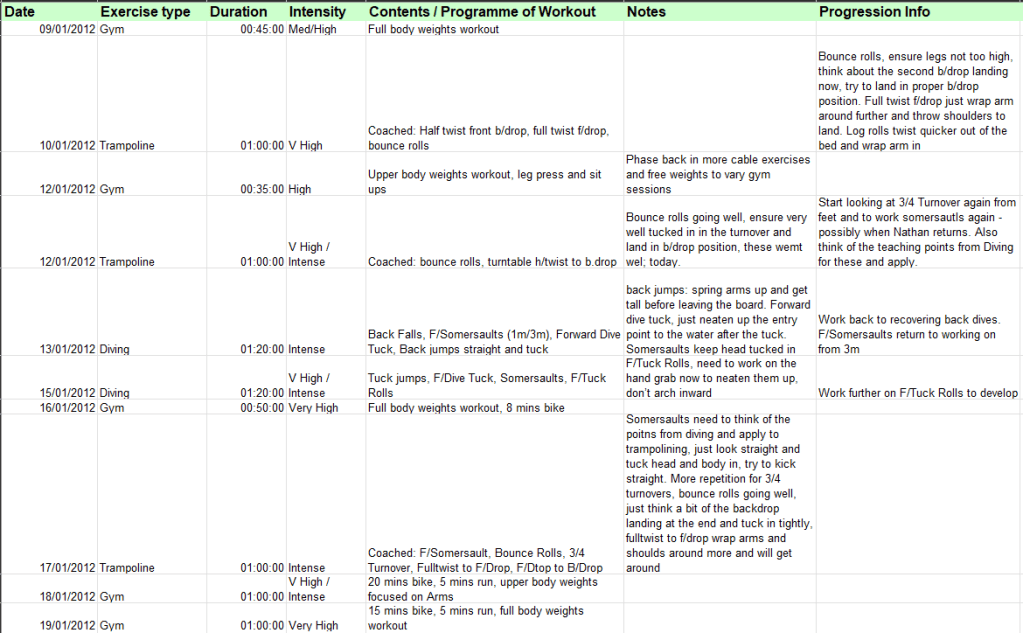
Try logging your exercise and movement
Even just noting down your exercise in your journal is a great way to track progress! Here is (a rather old) example of my fitness log.
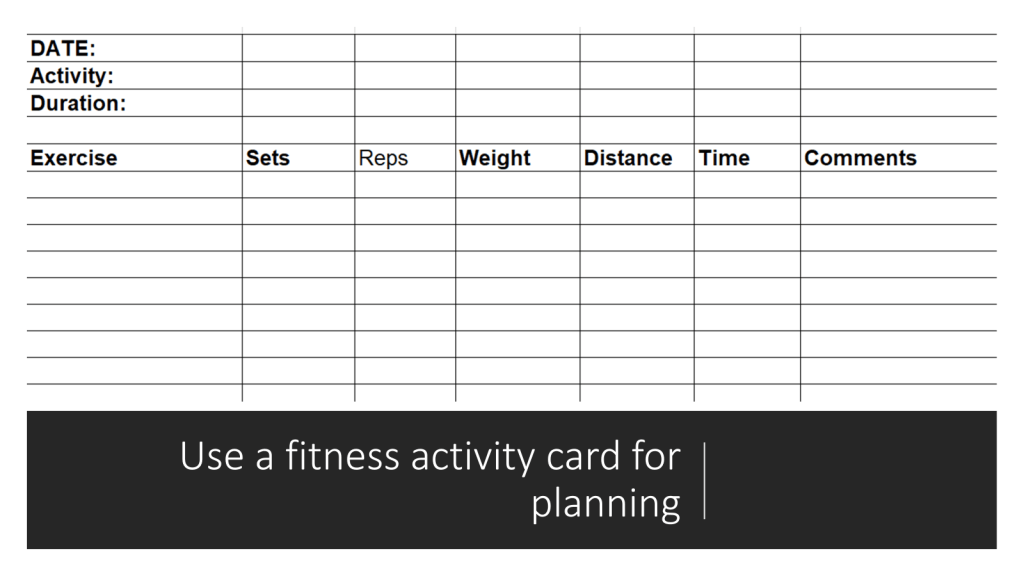
When we create a goal, the most effective method often can be to write it down, followed by the milestones to achieve it.
The same approach can work with fitness and movement goals.
You could link these movement and exercise goal together with other things you would like to achieve.

I’ve been trying to read more books. I find I rarely have time to sit and read a book unless I am away on holiday and the weather is good. I’ve made a dual goal of this.
I now use audiobooks to meet my target to read more, and I primarily listen to the audiobooks with exercise – whether I’m doing housework movement or a session at the gym. I’ve found using audiobooks has kept me exercising longer too – so I can listen to another section of the book!
Links
Miles for Mind – chose how many miles you want to do for https://www.runr.co.uk/products/2020-miles-for-mind
Park Run – https://www.parkrun.org.uk/
NHS Get Active Your Way –https://www.nhs.uk/live-well/exercise/get-active-your-way/
UK National Fitness Day website
Articles:
What is RPE? Find out how your fitness instructor is assessing your workouts.
Exercise – Listen to your body
Blogs:
 Better Days Wellbeing